Antalya: Gezilecek En İyi Yerler ve Temel Seyahat İpuçları
07-09-2023 19:13
Turkey, a land steeped in ancient history and rich cultural tapestry, presents an unexpectedly diverse and increasingly sophisticated landscape for enthusiasts of wine, beer, and spirits. Beyond its famed historical sites and stunning coastlines, the country offers a captivating journey through its evolving beverage culture, rooted in millennia-old traditions and modern innovation. Exploring this facet of Turkish hospitality provides a unique lens into its agricultural bounty, regional identities, and culinary heritage.
For those seeking to delve into Turkeys viticultural story, the experience often begins with a journey to its designated wine regions. Anatolia, often considered the cradle of viticulture, boasts a history of winemaking stretching back thousands of years. Today, this ancient craft is experiencing a significant resurgence, with both large-scale producers and boutique wineries gaining international recognition for their quality and unique indigenous grape varietals.
The Thracian region, in European Turkey, stands as a prominent wine-producing area. Provinces like Tekirdağ and Kırklareli are home to numerous vineyards cultivating international grapes such as Cabernet Sauvignon and Merlot, alongside local treasures like Yapıncak and Papazkarası. Visitors to this accessible region can expect to tour modern facilities, walk through vine-laden fields, and participate in guided tastings that often feature pairings with regional cheeses and olive oil, offering a direct appreciation of the local terroir.
Moving eastward, the Aegean region, encompassing provinces like İzmir, Denizli, and Manisa, is another cornerstone of Turkish winemaking. This area is particularly known for its diverse grape portfolio, including the robust Öküzgözü and Boğazkere, the elegant Kalecik Karası, and the aromatic Bornova Misketi. Many wineries here are family-run, offering intimate tasting experiences where guests can learn directly from the producers about their winemaking philosophies and the characteristics of their unique vintages.
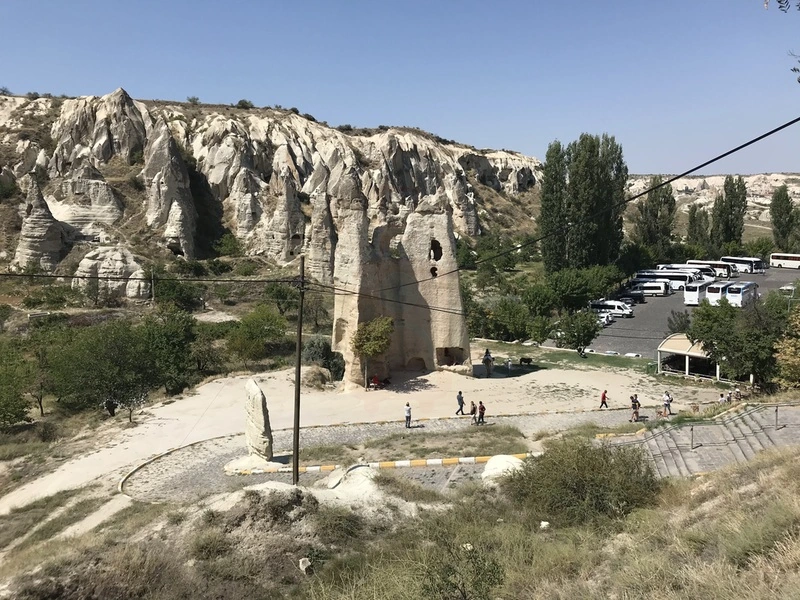
Perhaps the most evocative wine-tasting experience can be found in Central Anatolia, particularly within the surreal landscape of Cappadocia. The volcanic soil and high altitude contribute to distinctive wines, notably from the Narince, Emir, and Kalecik Karası grapes. Here, some wineries are carved directly into the soft tufa rock formations, providing an unforgettable backdrop for cellar tours and tastings. The opportunity to sample wines in ancient cave cellars, often paired with traditional Cappadocian cuisine, is a truly immersive cultural encounter.
Further east, Southeastern Anatolia, around Elazığ and Diyarbakır, proudly cultivates the indigenous Öküzgözü and Boğazkere grapes, often blended to create complex and age-worthy red wines. While less developed for tourism than other regions, these areas offer a raw, authentic glimpse into traditional Turkish winemaking, often characterized by strong, full-bodied expressions of these ancient varietals.
Beyond wine, Turkeys beer scene, once dominated by a few large producers, is undergoing a vibrant transformation. While mainstream lagers like Efes and Tuborg remain popular, a burgeoning craft beer movement has taken root, primarily in larger urban centers. Cities such as Istanbul, Izmir, and Ankara are home to an increasing number of microbreweries and specialty pubs that offer a diverse range of styles, from IPAs and stouts to unique local brews incorporating Turkish ingredients.
Visitors interested in craft beer can explore taprooms and brewpubs in these cities, often situated in trendy neighborhoods. These establishments provide opportunities to sample flight boards of locally brewed beers, discuss brewing techniques with passionate owners, and enjoy a relaxed, convivial atmosphere. It is a dynamic scene that reflects a growing appreciation for artisanal quality and experimental flavors.
No exploration of Turkish spirits would be complete without experiencing raki, the nations emblematic anise-flavored drink. Raki is a distilled grape alcohol often diluted with water, transforming into a milky white liquid known as lions milk. Its consumption is deeply woven into Turkish social fabric, typically enjoyed slowly alongside an array of mezes (small plates) in traditional meyhanes or at home with friends and family. Understanding raki involves appreciating its ritualistic serving and its role as a catalyst for conversation and shared meals.
While raki remains the predominant spirit, there is an emerging interest in artisanal Turkish gins and vodkas, often infused with local botanicals. These boutique spirits can sometimes be found in high-end bars or specialty shops in major cities, offering a contemporary take on Turkeys distillation capabilities.
When planning a tasting trip, seasonal considerations are helpful. For vineyard visits and wine tasting tours, late summer and early autumn (August to October) coincide with the harvest season, offering the most dynamic experience. Spring (April to June) also provides pleasant weather for touring vineyards before the intense summer heat. Beer and spirits tasting, particularly in urban settings, can be enjoyed year-round, with evenings often providing the most lively atmosphere in establishments.
For visitors traveling to popular coastal hubs like Fethiye, while it is not a primary wine or craft beer production region, the local restaurants and specialized shops readily offer an excellent selection of Turkish wines and raki. This allows travelers to experience the national beverages even when not directly in a production area, providing a taste of the broader Turkish beverage landscape within their holiday itinerary.
Safety and responsible consumption are paramount. The legal drinking age in Turkey is 18. When planning winery visits or city pub crawls, arranging for designated drivers or utilizing reliable public transport and taxi services is advisable. Turkish hospitality is generous, and while moderation is encouraged, the experience of sharing drinks, particularly raki with mezes, is a cherished social custom.
Visitors can expect an authentic and hospitable experience across Turkeys tasting scene. From ancient vineyards offering indigenous grape varietals to modern craft breweries pushing flavor boundaries, and the timeless ritual of enjoying raki, the diversity of offerings is compelling. The integration of these beverages with exquisite Turkish cuisine further enhances the overall cultural immersion, making a tasting journey through Turkey a truly memorable part of any travel itinerary.