Antalya: Gezilecek En İyi Yerler ve Temel Seyahat İpuçları
07-09-2023 19:13
Exploring Turkey is a feast for the senses, and for many travelers, the culinary landscape stands as a pivotal highlight. Beyond tasting the exquisite dishes, an increasingly popular activity involves delving into the preparation itself through dedicated cooking classes. These immersive experiences offer a deeper connection to Turkish culture, providing insights into the traditions, ingredients, and techniques that define one of the worlds most celebrated cuisines.
Turkish cooking classes are typically designed to be hands-on and engaging, moving beyond mere demonstration. Participants can expect to learn how to prepare a selection of classic dishes, ranging from intricate mezes to hearty main courses and traditional desserts. The focus is often on fresh, seasonal ingredients, which are integral to the authentic flavors of Turkish food.
A standard cooking class often commences with an introductory session, where the instructor outlines the days menu and the historical context of the dishes. Many classes include a visit to a local market or spice bazaar, offering an invaluable opportunity to understand ingredient selection and interact with local vendors. This initial phase helps participants appreciate the fresh produce, herbs, and spices that form the backbone of Turkish culinary art.
Following the market visit, participants gather in a dedicated kitchen, which might range from a professional culinary school setting to a more intimate, traditional home kitchen. Under the guidance of an experienced chef, often a local culinary expert, individuals actively participate in every step of the cooking process. This includes chopping, mixing, kneading, and frying, ensuring a truly experiential learning curve.
Common dishes frequently taught in Turkish cooking classes include a variety of mezes such as hummus, ezme (spicy tomato dip), and haydari (yogurt with mint and garlic). Main courses often feature staples like köfte (meatballs), various börek (savory pastries), dolma (stuffed vegetables), or a regional pilaf. Dessert preparations might involve learning to make baklava, sütlaç (rice pudding), or irmik helvası (semolina halva).
Upon completion of the cooking, the most rewarding part of the experience unfolds: sharing the prepared meal together. This communal dining aspect fosters a convivial atmosphere, allowing participants to savor their creations and discuss their newfound culinary skills. It is an opportunity to enjoy the fruits of collective labor in a relaxed, social environment.
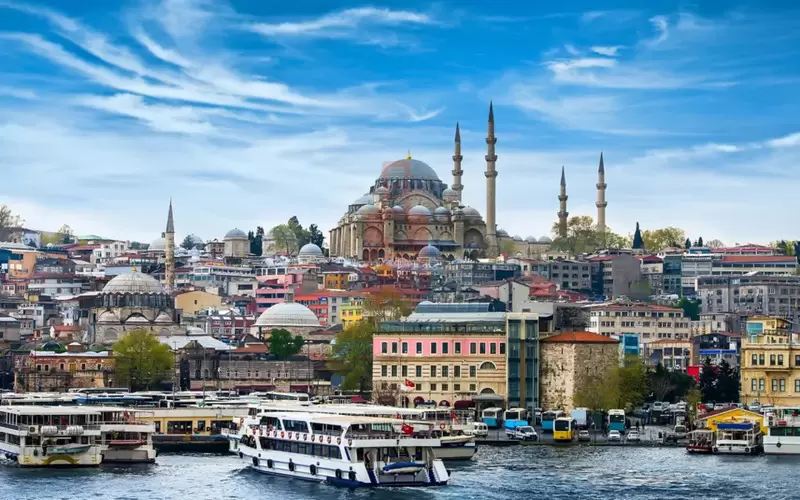
When considering where to engage in a Turkish cooking class, several regions and cities stand out, each offering a distinct culinary perspective. Istanbul, as the countrys cultural and economic heart, provides a vast array of options. Classes here often reflect the diverse influences of Ottoman palace cuisine, Mediterranean flavors, and various Anatolian traditions, featuring everything from intricate pastries to robust kebabs.
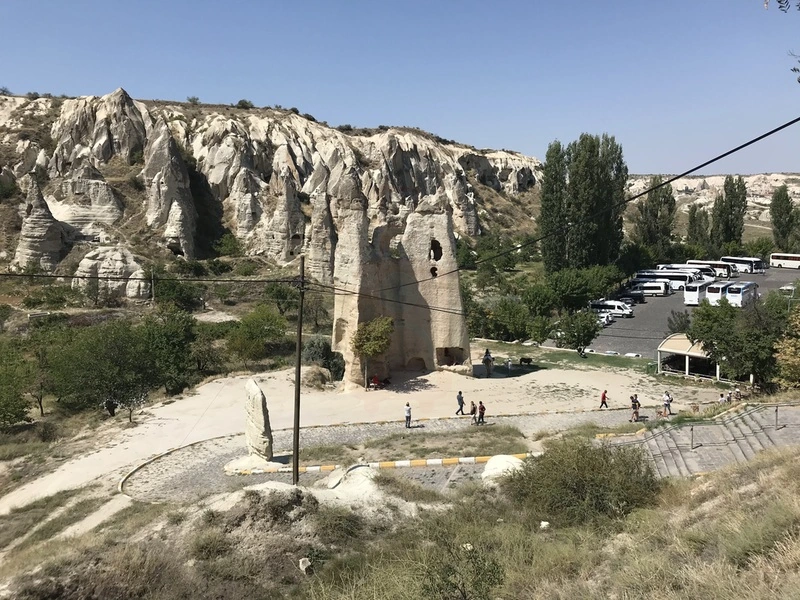
In Cappadocia, the unique volcanic landscape contributes to a distinct regional cuisine, with a focus on ingredients grown in its rich soil. Cooking classes in this area often take place in traditional village homes or even renovated cave kitchens, offering an authentic Anatolian experience. Participants might learn to prepare local specialties like testikebabı (pottery kebab) or güveç (clay pot stew), using ingredients sourced from nearby fields.
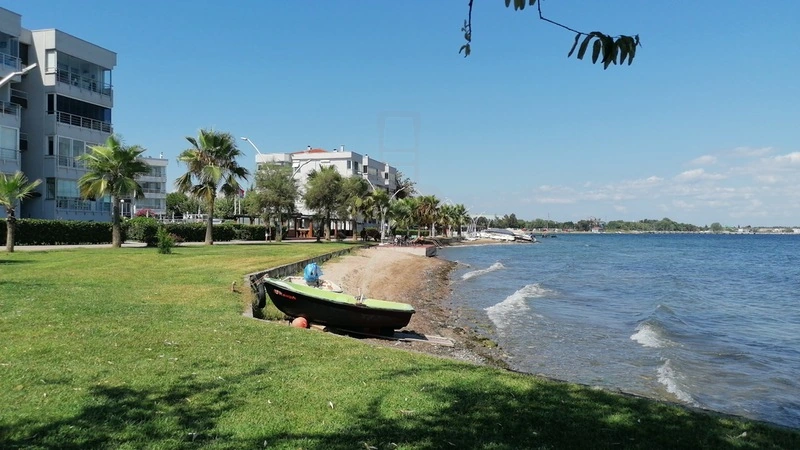
Along Turkeys Aegean and Mediterranean coasts, including popular hubs like Izmir, Bodrum, and Fethiye, the culinary focus shifts towards lighter, olive oil-based dishes, fresh seafood, and abundant herbs. Classes in these areas emphasize the Mediterranean diet, showcasing vibrant salads, grilled fish, and vegetable-centric mezes. Fethiye, with its bustling fresh produce market, provides an excellent starting point for understanding coastal ingredients.
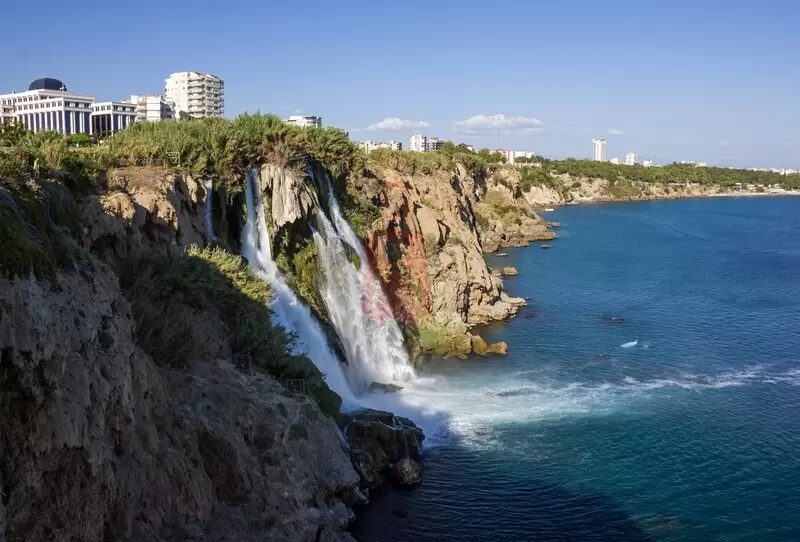
Antalya, situated on the southern Mediterranean coast, also offers cooking class opportunities that highlight the regions abundant produce and seafood. The cuisine here often incorporates influences from its historical ties to various civilizations, resulting in a rich tapestry of flavors. Learning to prepare dishes native to the Antalya region provides a unique culinary perspective.
For those interested in a deeper dive into specific regional cuisines, southeastern Turkey, particularly cities like Gaziantep and Şanlıurfa, is renowned for its intense flavors and culinary heritage. Gaziantep is often considered Turkeys gastronomic capital, famous for its pistachios, rich baklava, and diverse kebab preparations. Classes here offer a specialized insight into a distinct and historically significant culinary tradition.
Seasonal considerations can subtly influence the cooking class experience, primarily through the availability of specific ingredients. Spring and summer months bring an abundance of fresh vegetables and fruits, leading to lighter, more vibrant dishes. Classes during these seasons might incorporate outdoor cooking elements or focus on preparing refreshing seasonal salads and mezes.
Autumn and winter provide opportunities to learn heartier, warming dishes such as slow-cooked stews, robust soups, and seasonal preserves. While classes operate year-round, the specific recipes taught will naturally adapt to what is locally fresh and available. It is advisable to inquire about the seasonal menu if there are specific dishes or ingredients of interest.
Regarding safety, reputable cooking class providers in Turkey maintain high standards of hygiene and food preparation. Participants can expect clean kitchen environments and fresh, quality ingredients. Standard kitchen safety practices, such as careful handling of knives and hot surfaces, are typically emphasized by instructors, ensuring a secure learning atmosphere.
It is prudent to communicate any dietary restrictions or allergies in advance to the class organizers. Most instructors are accommodating and can adjust recipes or suggest alternatives, ensuring all participants have an inclusive and enjoyable experience. This proactive approach helps ensure comfort and safety throughout the session.
Visitors can expect a memorable cultural immersion that extends beyond simply preparing food. These classes often foster a sense of community among participants and provide invaluable interaction with local hosts and chefs. It is an opportunity to learn not just recipes, but also about the stories, history, and customs embedded within Turkish culinary traditions.
Ultimately, a Turkish cooking class offers more than just a souvenir recipe book; it provides a hands-on journey into the soul of Turkish culture. Participants leave with a deeper appreciation for the countrys culinary artistry and the practical skills to recreate these delightful flavors at home. It is an enriching activity that connects travelers intimately with the heritage of this remarkable land.